The method
Learning a language is learning to think in it
When you translate every sentence in your head, you speak late and with effort. ThinkLingo trains the opposite: linking the language directly to what you see and do every day. Every episode follows three steps.
Watch the story
A character lives an everyday scene and their inner voice narrates it. Every action you hear is shown on screen, so you understand without translating.
Notice the key words
We review the episode's expressions with the picture of the action, not with a translation.
Your turn: say it in your head
You watch the scenes again and complete the sentences silently. Then the mission: do it again in your own life, for example while you brush your teeth.
First course
A1English for beginners: My Day
A day in Ben's life, told by the voice in his head. Real routines in simple English: waking up, having breakfast, getting dressed, taking the bus, working, cooking… All in English, with English and Spanish subtitles.
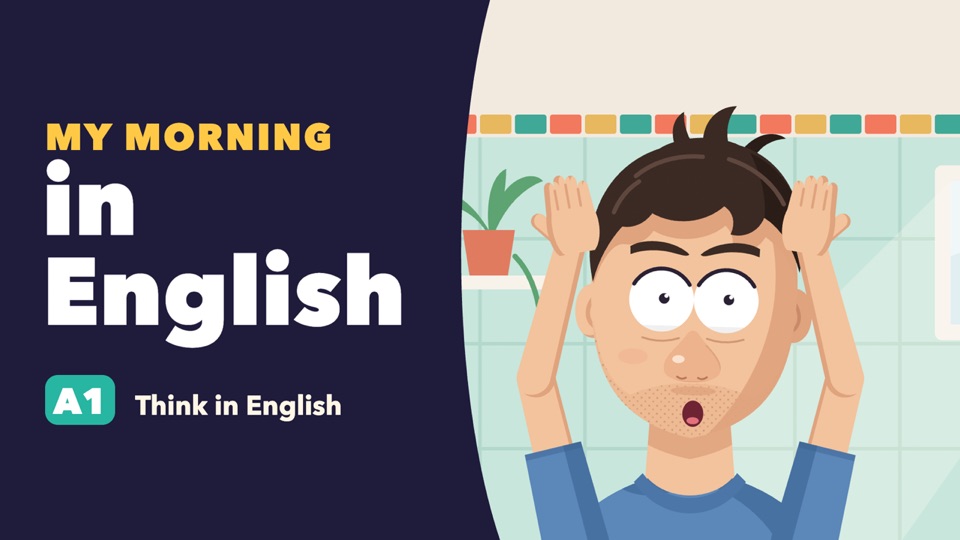
1 · Good Morning!
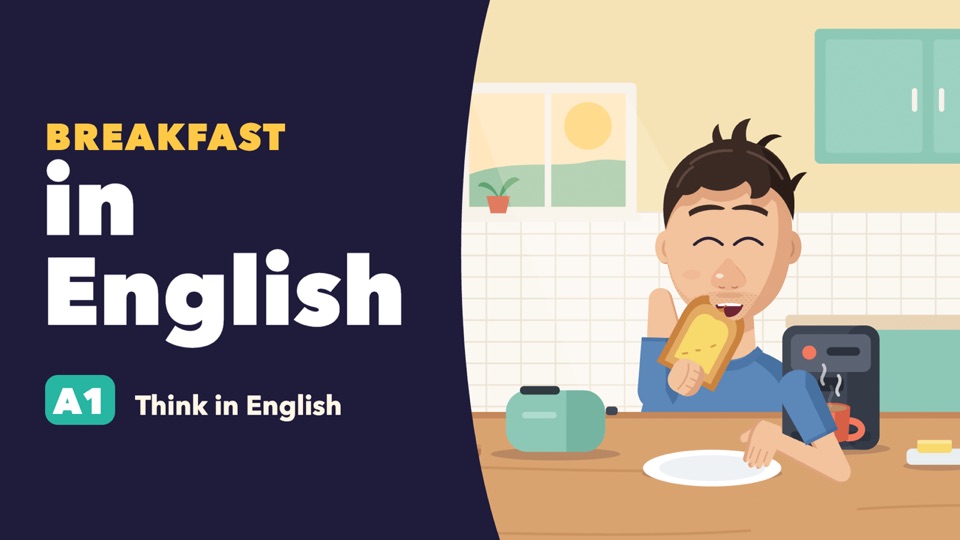
2 · Breakfast Time!
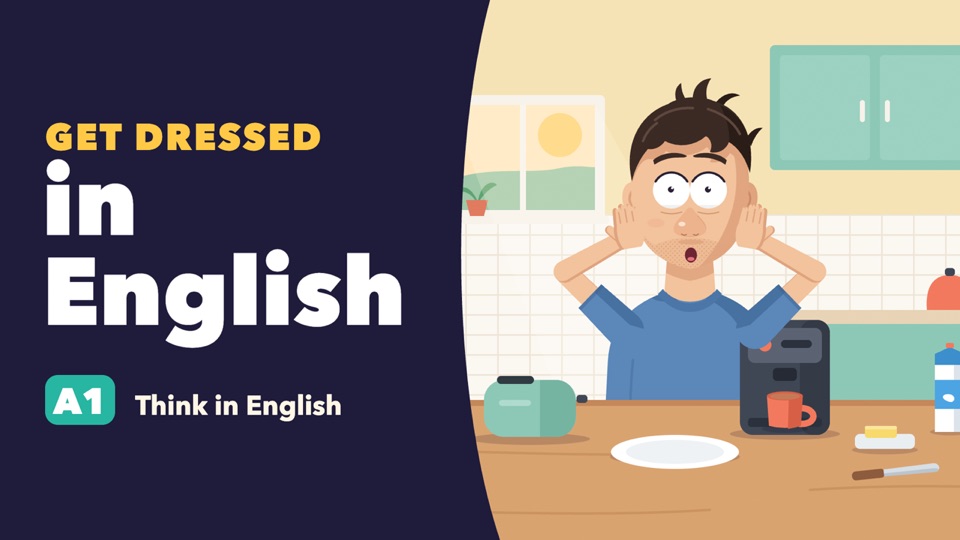
3 · I'm Late!
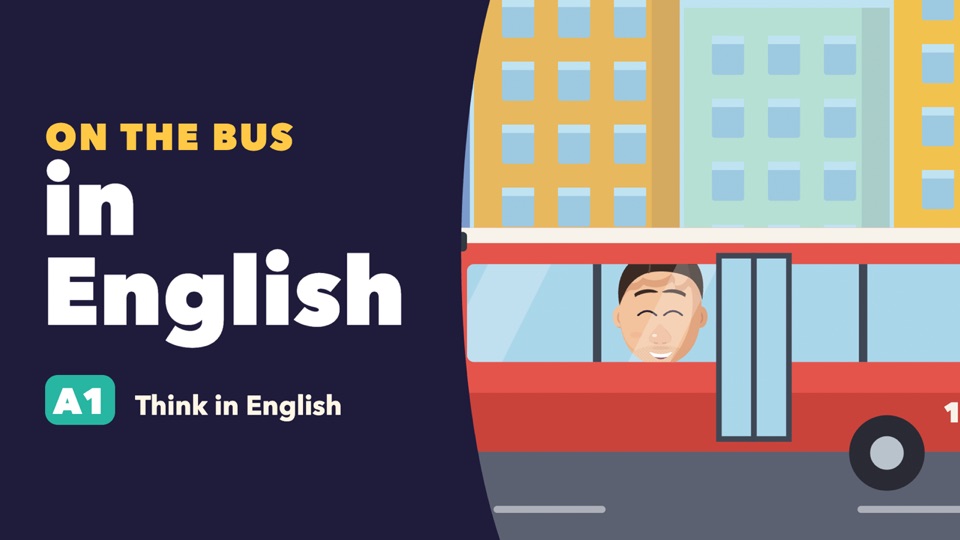
4 · On the Bus
Who it is for
For people who understand some, but freeze when speaking
If you know words but the sentences don't come out, the problem isn't vocabulary: you haven't practised thinking in the language. The episodes are short so you can watch them two or three times.
How to get the most out of it
- First time: just follow the story.
- Second time: with subtitles in the language you are learning.
- In “Your turn”: narrate the scene in your head.
- The next day: narrate your own routine like the character.
How we make the videos
AI is our tool, not your teacher
- The voices are AI voices. We don't clone any real person's voice.
- Illustration and animation are made with code, with the help of AI tools.
- Every episode is reviewed by a certified language teacher before it is published.
- We label the content as synthetic on the platforms where we publish.
Frequently asked questions
Questions
What is ThinkLingo?
A method to learn languages by thinking directly in them, without translating in your head. Each lesson is a short animated story told only in the language you are learning.
Which languages can I learn?
The method works for any language. The first course is English and starts at level A1, for beginners; more languages will follow.
Do I need to know anything first?
No. Level A1 is designed to start from zero: everything that is said is shown on screen.
How much does it cost?
The episodes are published for free on YouTube, with English and Spanish subtitles.
Why don't the videos explain things in my language?
Because the goal is to stop translating. Translations are in the subtitles if you need them, but the video speaks only the language you are learning.
Do you use artificial intelligence?
Yes, as a tool: designed (not cloned) AI voices and animation made with code. Every episode is reviewed by a certified language teacher before it is published.
Follow us
A new scene for your head
Full episodes on YouTube and short scenes on Instagram and TikTok.